What are common symptoms Myo may help?
Clenching, grinding, headaches, and TMJ (temporomandibular joint) tension
Neck and shoulder tightness or discomfort
Mouth breathing or open-mouth posture, including dry mouth upon waking
Snoring or noisy breathing
Low tongue posture, tongue thrust, or swallowing difficulties
Orthodontic relapse (teeth shifting after braces or aligner treatment)
Restless, non-restorative sleep
Tongue tie release support (before and after)
These concerns are often interconnected. When breathing patterns and oral posture are not functioning optimally, it can impact overall health and well-being.
What is correct myofunction?
Proper myofunction relies on four key elements:
Nasal breathing
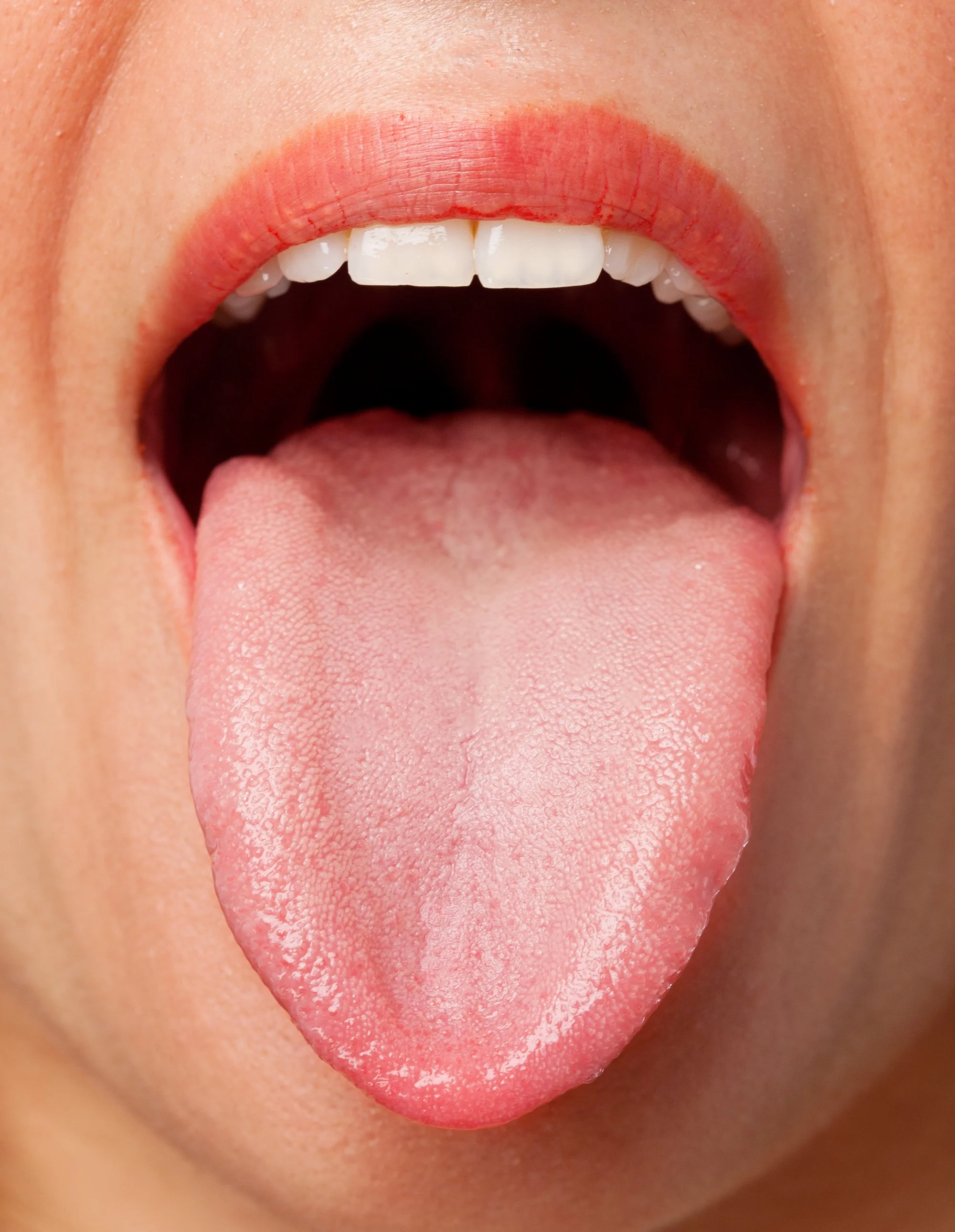
Tongue resting in the palate
Lips gently sealed
Correct swallowing pattern
When these patterns are well established during childhood, they support a wide range of health benefits, including an open airway, proper space for adult teeth, balanced facial growth, deep, restorative sleep, and overall optimal dental health.
However, many individuals do not naturally develop all four of these foundational behaviors. As a result, dysfunction is common—but not optimal or healthy. When this occurs, the body often compensates and adapts to make up for these imbalances. While these compensations may be effective in the short term, they can break down over time and contribute to the symptoms listed above.
The first step is identifying Orofacial Myofunctional Disorders (OMDs)—atypical movement patterns of the muscles of the face and mouth that affect how the tongue, lips, and jaw function at rest, during breathing, and when swallowing. From there, myofunctional therapy works to correct these patterns, restoring proper neuromuscular function and supporting long-term wellness.
How does myofunctional therapy work?
Through therapy, we work together to retrain these muscle groups and reprogram the neural pathways that control them. The goal is to restore proper function in alignment with the four foundational skills above, creating long‑term, sustainable improvements rather than temporary fixes or only treating the symptoms.
We start with a complimentary 10–15 minute phone conversation to explore your needs and determine if myofunctional therapy is the right fit.
If so, we schedule a Comprehensive Evaluation (in-person or virtual). You’ll receive a personalized treatment plan created to support proper function, along with a clear fee schedule. Your evaluation fee will be applied toward treatment should you choose to continue.
Then we start into therapy together. Therapy is structured to be effective, efficient and convenient:
Sessions: 30–40 minutes, scheduled every 2 weeks and held virtually
Home Practice: about 5 minutes, twice daily. Regular and focused practice creates lasting change (the magic of myo happens at home!).
Program Length: typically 10-12 sessions over 6–9 months.
For children, our program focuses on building healthy habits early, working in harmony with their natural growth and development. The goal is to establish the four foundational functions in a way that feels natural and supportive as they grow. The tongue helps shape the roof of the mouth, while the lips help keep everything in place—like built-in supports for proper development.
When these patterns are established early, they become second nature, supporting easy breathing, deep restorative sleep, proper oral posture, and enough space for adult teeth to come in comfortably.
Sessions are held in person and typically last 20–30 minutes, depending on your child’s needs. I’ll provide simple, guided exercises to practice at home, with your support, to help reinforce progress between visits.
Is therapy covered by insurance?
Harmony in Function Myo, LLC is not in network with any insurance providers, and we do not file insurance. Many clients use HSA/FSA funds. At the end of your treatment, you may request a superbill (detailed receipt) to file on your own. We offer flexible payment plans, family member discounts, and a special savings option for full payment.

Excellent summary about myofunctional therapy by TMJ specialist Priya Mistry, DDS